Spiced tea punch isn’t a mulled wine stand-in, and it isn’t iced tea served warm. It’s a big pot of black tea, citrus juice, and two ground spices, and the drink lives or dies on when those spices and juices go in. The cinnamon and cloves boil with the sugar, so they season the water itself before the bags ever touch it.
Get that order backwards and the tea turns harsh. The real trouble is the fruit: add it while the pot still steams hard and the punch tastes cooked, flat, like it sat out overnight. Let it settle first and the lemon, orange, and pineapple stay bright against the amber base.
Ladled into mugs on a gray afternoon, it smells like the kitchen did something good without much effort. That’s the whole appeal.
Why ground cinnamon and cloves?
Ground cinnamon and cloves are used here for good reason: they dissolve completely into the water, so each cup gets the same gentle warmth. With whole spices, you’d need to strain the punch and steep them longer to pull out enough flavor, adding steps and time. The small amounts, a quarter teaspoon each, are potent enough to season 3 quarts without overpowering the tea and fruit juices.
That’s why the recipe calls for ground, not whole. You won’t find any gritty texture, just a smooth, spiced base. And because they’re ground, they distribute evenly, so no one gets a mouthful of clove.
This choice keeps the punch consistent from first ladle to last, with no extra fuss.
What happens if you boil tea?
Boiling tea extracts harsh tannins, making the punch bitter and astringent. That’s why the tea bags go in after the heat is off.
Steeping off the heat preserves the tea’s smooth flavor that balances the sweet-tart juices. Covering the pot during steeping keeps the volatile aromas in the liquid. So instead of a sharp, stewed taste, you get a gentle tea backbone that supports the spices and fruit.
The difference is clear in the first sip: bitterness versus balance. You want the tea to be present but not dominant. That’s what happens when you treat it gently.
How do lemon, orange, and pineapple juices balance?
Lemon juice adds bright acidity to cut through the sugar. Orange juice brings sweetness and body, while pineapple juice adds tropical tang.
Together they create a balanced sweet-tart profile that complements the spiced tea. The juices are added after steeping to preserve their fresh flavors and prevent bitterness from cooking. If you were to add them earlier, they’d lose their brightness and the punch would taste flat.
This trio works because each juice plays a distinct role: lemon for zing, orange for roundness, pineapple for a hint of the tropics. The result is a punch that’s refreshing yet complex, with no single juice shouting over the others. Taste it and you’ll notice how they harmonize.
Why serve this punch hot?
Serving hot enhances the aromatic spices and makes the drink comforting. The high water content and sugar make it suitable for keeping warm without losing flavor. It contrasts with classic cold tea punches, which are often iced and diluted with soda.
This punch is meant to be sipped slowly, letting the warmth spread. The heat also helps the spices and fruit juices integrate, so every cup tastes complete.
If it were served cold, the spices would be less pronounced and the drink would feel thinner. So keep it hot, ladle it into mugs, and enjoy the way it takes the chill off. That’s the character of this punch: cozy and bold.
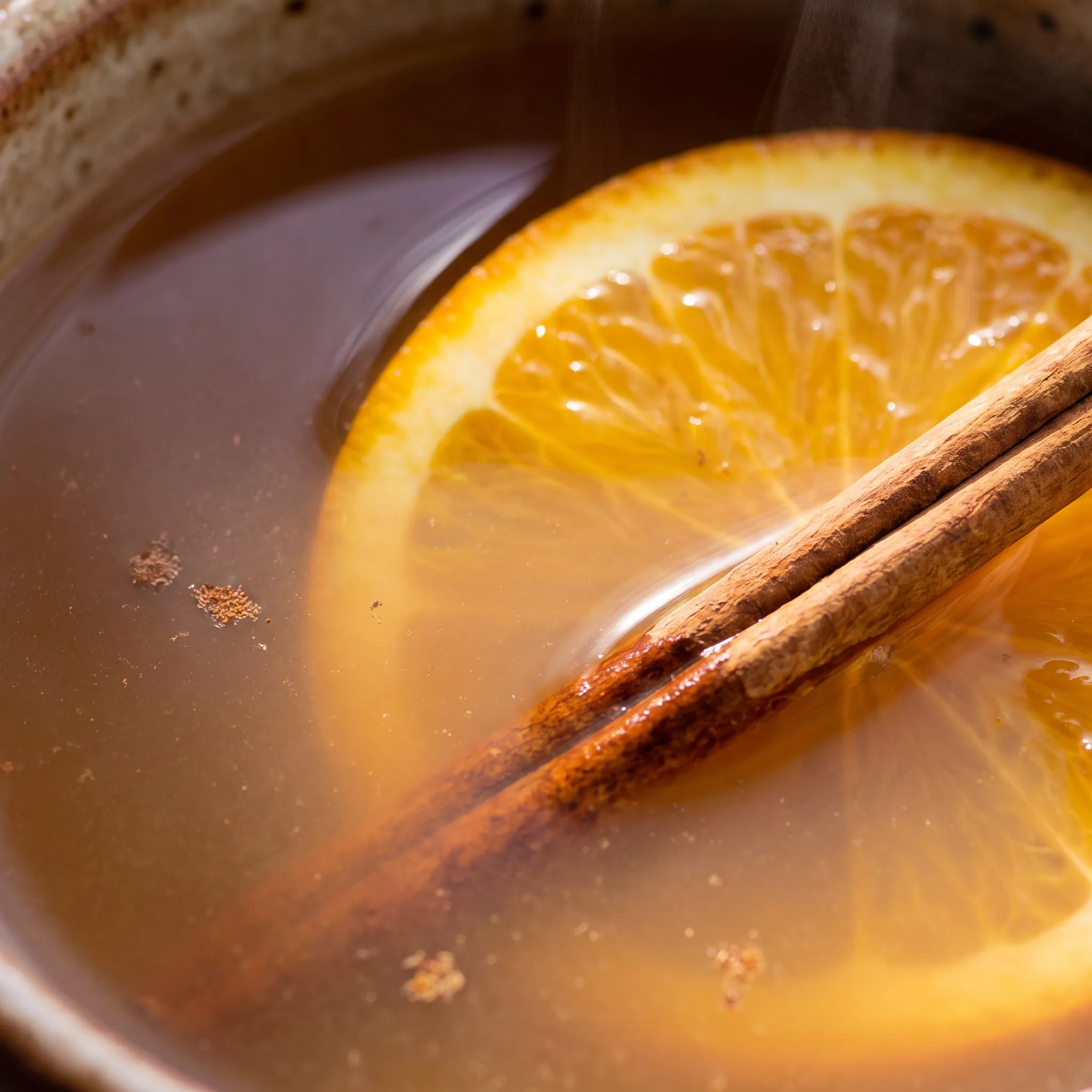
What to check before the pot goes on
Ground cinnamon: Buy ground cinnamon that smells sweet and woody when you open the jar; old jars smell like dust and give the punch a flat, papery note.
Ground cloves: Cloves are potent, so use a fresh jar and measure the ¼ teaspoon level; a heavy hand here will make the whole batch taste medicinal.
Granulated sugar: Regular granulated sugar dissolves cleanly in the boiling water; coarse or raw sugars leave a sandy texture at the bottom of the cup.
Tea bags: Use plain black tea bags, not flavored or herbal ones, so the spice and fruit stay in charge of the cup.
Lemon juice: Squeeze the lemons yourself; bottled juice has a flat, slightly bitter edge that dulls the punch’s bright finish.
Orange juice: Pick an orange juice you’d drink on its own, since its sweetness and body carry the middle of the punch.
Tea leaves release tannins and bitter compounds rapidly at boiling temperatures, while desirable flavor compounds extract more slowly. Because the recipe calls for steeping the tea bags after the heat is turned off, the water is below boiling, so the extraction favors aroma and body over astringency. If the tea bags were added while the pot was still boiling, the punch would turn harsh and bitter, overwhelming the spices and fruit juices.
Judging the punch by eye, nose, and tongue at four points where it can drift
Knowing when the sugar has actually dissolved
Sugar dissolves before the water reads as clear. Watch the bottom of the pot through the liquid: once the last visible grains are gone, usually 5 to 6 minutes in, stop. Undissolved sugar sinks and scorches against the hot base, leaving a faint caramel bitterness that no juice covers.
If you catch it early, pour off the clear liquid and leave the sediment behind.
Reading the color when the tea comes out
Ten minutes off the heat in covered water pulls a deep amber, not black. Lift a bag and let it drain: the stream should run clear brown, and the pot should smell like tea with the spices riding above it. Past that, the liquid darkens toward mahogany and tastes drying at the back of the tongue.
Pull the bags at the first sign of that grip.
Tasting the balance before the juices finish going in
Add the lemon, orange, and pineapple in stages, not all at once. After the lemon, the punch should taste bright but not sharp; the orange rounds it, and the pineapple should sit underneath, not in front.
If the mix tastes flat, more lemon. If it tastes thin and sweet, you have not added enough of the orange and pineapple yet.
Holding the heat without cooking the fruit
The juices go in after the pot is off. If the liquid is still steaming hard, the fruit dulls and the punch tastes cooked rather than fresh. Let it settle a minute if needed.
Serve hot, but not boiling: a light steam off the surface means the spice and citrus still read clearly in the cup.

Spiced Tea Punch with Citrus Juices
Ingredients
- 3 quarts water 2.84 L
- ¼ tsp ground cinnamon 0.5 g
- ¼ tsp ground cloves 0.5 g
- 1 ½ cups granulated sugar 300 g
- 3 tea bags
- ½ cup freshly squeezed lemon juice 120 mL
- 1 cup orange juice 240 mL
- 1 cup pineapple juice 240 mL
Instructions
- In a large pot, combine the water, cinnamon, cloves, and sugar. Bring to a boil and cook for 5–6 minutes, stirring occasionally, until the sugar dissolves.
- Turn off the heat, add the tea bags, cover the pot, and let steep for 10 minutes.
- Remove the tea bags and stir in the lemon juice, orange juice, and pineapple juice until fully combined.
- Serve hot.
Storing, Reheating, and Serving Spiced Tea Punch
Spiced Tea Punch is best within 24 hours. The spice and tea flavors deepen overnight, but the fresh citrus turns dull after a day or two, so day one has the brightest balance of orange, lemon, and pineapple against the tea.
Keep leftovers in a covered pot or a thermos, refrigerated. It holds there for 2 to 3 days, though the citrus fades each day. Reheat gently on the stovetop or pour into a thermos, but don’t boil it again.
Boiling drives off the spice aromatics and makes the fruit taste cooked. A light steam is enough.
Freeze the punch in a freezer-safe container for up to 3 months. Thaw overnight in the fridge, then reheat gently. Expect the citrus to taste flatter after freezing.
Ladle it hot into mugs. If you want a garnish, add a fresh lemon slice or a cinnamon stick to the cup at serving, not to the pot.
Tips
- Taste after the juices go in and correct with a pinch more sugar or a squeeze of lemon, because the spice level and juice sweetness vary by brand. The 1 1/2 cups sugar and 1/4 teaspoon each of cinnamon and cloves were set against specific juices; a sweeter orange juice or a sharper pineapple juice shifts that balance, and the punch is served hot, which mutes sweetness on the tongue. Adjust while the pot is still warm so the sugar dissolves, then taste again once it cools a degree or two.
- If the punch tastes flat rather than sweet or sour, add a small pinch of salt, about 1/8 teaspoon for the full 3 quarts, rather than more sugar or lemon. Salt suppresses bitterness and makes the tea and spice read more clearly without changing the sweet-tart ratio you already set. Add it before you reach for more sugar, since extra sugar here mostly thickens the body and can push the clove forward.
What you can swap without wrecking the tea, the sugar, or the citrus
Granulated sugar: Honey. Use 1 cup plus 2 tablespoons of honey for the 1 1/2 cups sugar, and stir it into the hot water off the boil so it dissolves without scorching. The punch turns amber and carries a floral note that nudges the cinnamon; the body thickens slightly and the finish is less clean than sugar.
If you want the spice and tea to lead, stay with granulated.
Granulated sugar: Sugar substitute such as stevia or monk fruit. Sweeten to taste after the tea has steeped and the juices are in, because these run sweeter than sugar and some leave a cooling aftertaste that makes the clove read oddly. The liquid will be thinner, since sugar adds body as well as sweetness.
Start with half the sweetness you think you need.
Lemon, orange, and pineapple juices: Bottled juice blend, such as a tropical or citrus punch. Use 2 1/2 cups of the blend in place of the three separate juices. Check the label for added sugar and citric acid; a sweetened blend will push the punch toward candy, and a high-citric one can taste metallic against the tea.
Taste after steeping and add a squeeze of fresh lemon if the brightness is missing.
Tea bags: Flavored or herbal tea bags, like chai, berry, or mint. Skip this.
The black tea is the backbone that the cinnamon, cloves, and fruit hang on, and a flavored bag adds its own competing notes that fight the spice. Herbal teas also lack the tannin that gives the punch its grip, so the drink tastes thin and sweet. Plain black tea is the one to keep.

Frequently Asked Questions
Can I make spiced tea punch ahead of time and reheat it?
You can, and the flavor actually deepens overnight, but the fresh citrus starts to fade after a day. Make it up to 24 hours ahead for the best balance of orange, lemon, and pineapple against the tea. Keep it covered in the fridge, then reheat gently on the stovetop or in a thermos.
Don’t let it boil again or the spice aromatics cook off and the fruit tastes dull. A light steam is all you need.
Why did my spiced tea punch turn out bitter?
Bitter usually means the tea steeped too long or the bags went in while the water was still bubbling. Off-heat steeping for 10 minutes pulls a smooth amber, but leave the bags past that and you get a drying grip at the back of your tongue. Second, check your lemon juice: bottled has a flat, slightly bitter edge that can dull the whole batch.
If you used a heavy hand with ground cloves, that reads medicinal and can come across as bitter too. Taste after the juices go in; if it’s sharp, a little more orange juice rounds it out.
How is this spiced tea punch different from traditional Southern tea punch?
Classic Southern tea punch is served cold, often with soda or more sugar, and the tea is usually brewed strong then chilled. This one stays hot, so the cinnamon and cloves stay pronounced and the drink feels thicker on the tongue. The spice amounts are small, a quarter teaspoon each, enough to warm three quarts without turning it into a chai.
And the tea steeps off the heat, which keeps it from getting stewed and harsh. It’s built to be ladled into mugs, not poured over ice.